· 1 hour · Live on Zoom
Don’t Build AI Agents Without Learning These Techniques
A practical guide to the engineering behind reliable AI agents, from the first tool call to the complete production harness.

Ali Aminian
Google, Bestselling Author
Session Outline
- Part 1
From LLM to Agent
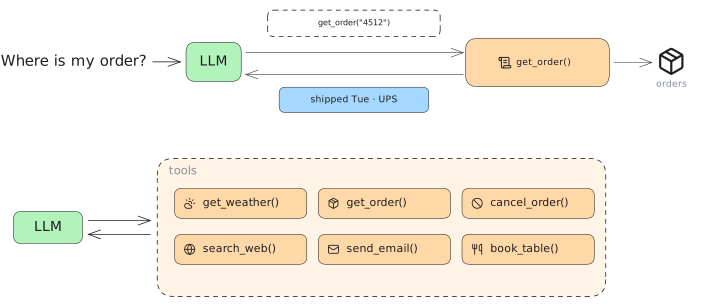
- What an LLM can and can't do on its own
- Tool calling (tool definitions, tool calls, tool results)
- The agent loop (ReAct, stopping when there are no tool calls)
- Retrieval for answers grounded in your docs
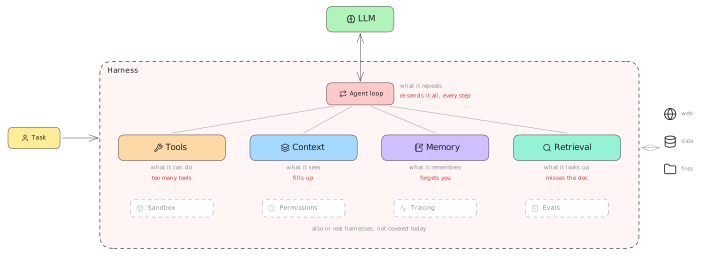
- Agent = model + harness
- Part 2
Agents in Production
- What changes at scale (more tools, longer runs, bigger knowledge bases)
- Why a demo harness fails in production
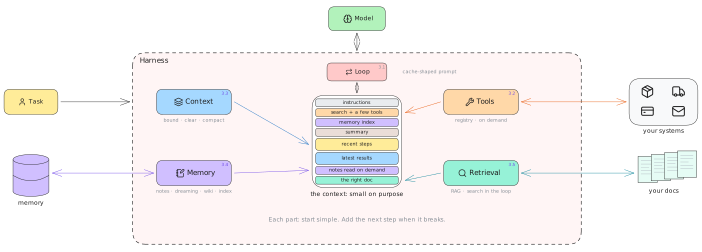
- Design of a production harness (loop, tools, context, memory, retrieval)
- Part 3
The Agent Loop
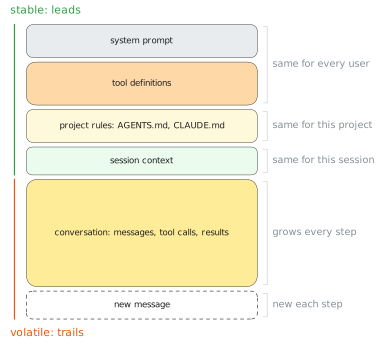
- Prompt caching and exact prefix matching
- Stable content before volatile content
- Append-only updates
- Part 4
Tools at Scale
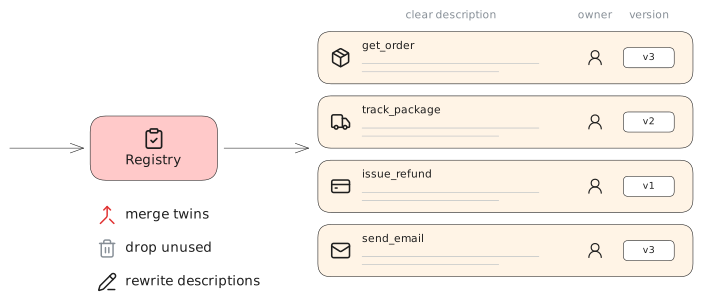
- Tool overload and ambiguity
- Curated tool registries (merge, drop, rewrite descriptions)
- Dynamic tool loading
- Part 5
Context Management
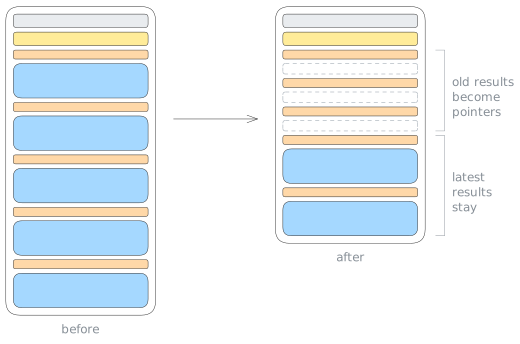
- Bounding tool output (size caps, head-and-tail truncation)
- Clearing stale tool results
- Compaction (summarization vs. sliding window)
- Part 6
Agent Memory
- Single-file memory and fact extraction
- Dreaming: offline consolidation (merge, replace, expire)
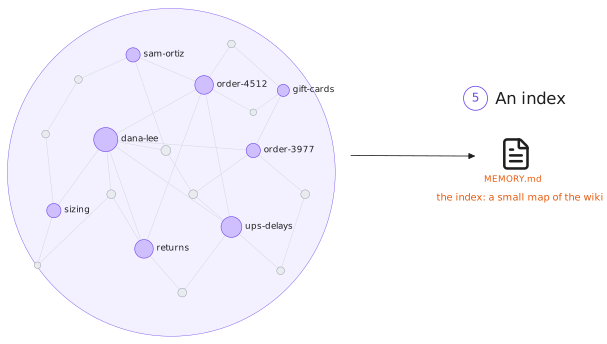
- From notes to a linked wiki
- A small index loaded every session, with notes read on demand
- Part 7
Retrieval
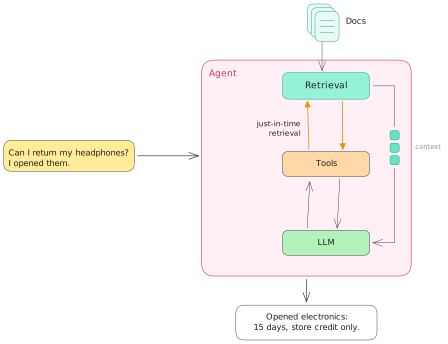
- One-shot RAG and where it fails
- Agentic search inside the loop (just-in-time retrieval)
- Part 8
The Production Harness, End to End
- The whole harness, in one picture
- A tip for each part
- Part 9
Live Q&A



Meet Your Instructor
Ali Aminian
AI Engineer · Google, Adobe
Ali has built ML systems at Google and led Firefly work at Adobe as a tech lead. He built Comfo (acquired), facilitates courses at Stanford, and teaches AI Engineering Fundamentals on ByteByteGo Live.
Bestselling books
- Best Seller
Machine Learning System Design Interview
with Alex Xu
- Best Seller
Generative AI System Design Interview
with Hao Sheng